

Briefly Reviewed – Gints Zilbalodis’s ‘Flow’
- Trinity Auditorium

- Mar 9, 2025
- 2 min read
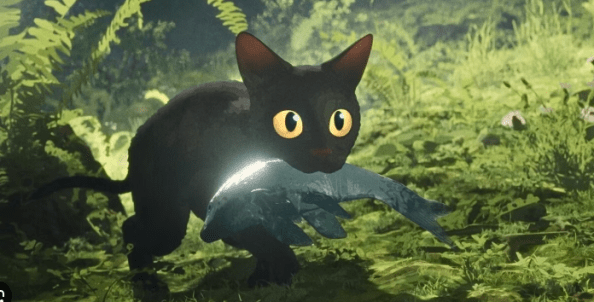
We’ve often had conversations about the relationship between life and art. Well, here’s what was going through my mind for a few days before I stepped into a theatre to watch Flow. I had cracked the screenplay for a short film, but was unsure about the dialogues. One bunch of people liked the lines. Another bunch hated it, said it was too contrived and artificial and not at all like the way real people spoke. So when I began watching Flow (not knowing that it was a silent movie), I wondered how much of my own angst was liberated in watching a film “flow” without any dialogue. Flow is beyond brilliant, the best animated feature I have seen since The Boy and the Heron. Despite the protagonist being a cat, despite the occasional bits of cuteness, this is not a children’s movie. It’s ten tons of existentialism taxidermatised into animals. We are never told what causes the big flood that displaces Cat from its home. (This may be the first cat character that could be called “Cat” since the one in Breakfast at Tiffany’s.) Without dialogue, we aren’t exactly clued into the headspaces of the other creatures that join Cat. We aren’t told what happened to the humans who must have created some of the human-like things, like drawings. The film is like existing in a sparsely populated dream, with the highpoint being a zero-gravity sequence that you could interpret as the heavens opening up to receive a spirit… or whatever. I had gooseflesh. As a committed interpreter of art, I am wholly for the analysis of poetry and imagery — and yet, watching Flow, I could see why Archibald MacLeish said: “A poem should not mean / But be.” Flow just is.

Comments